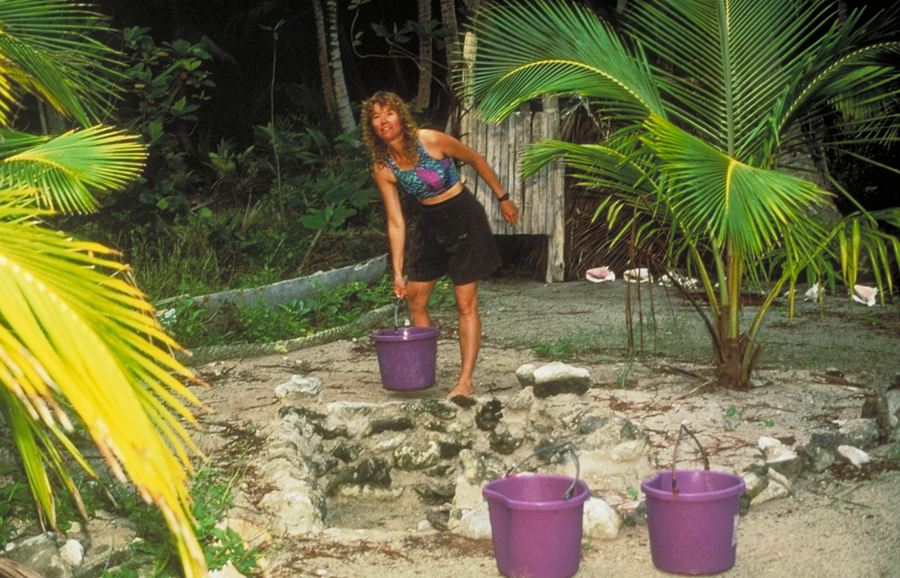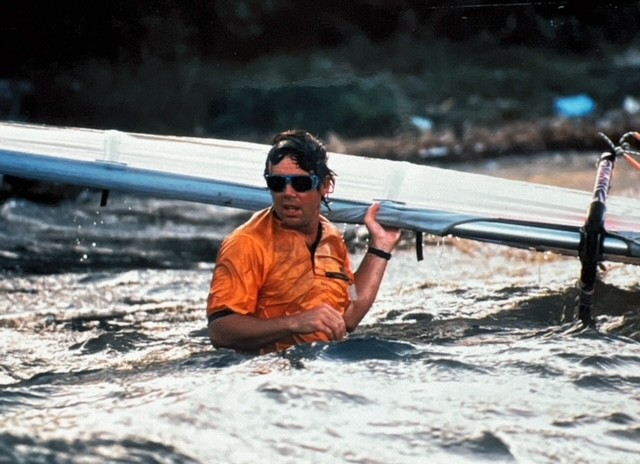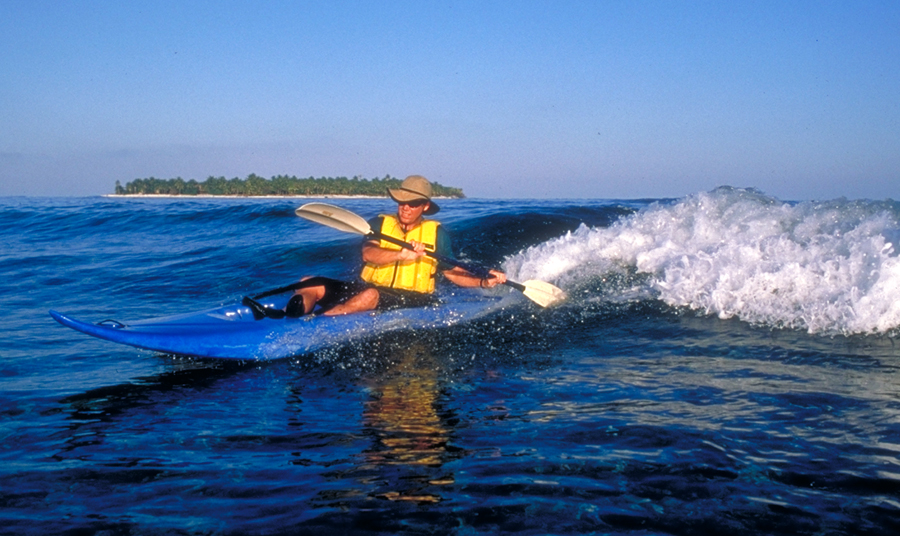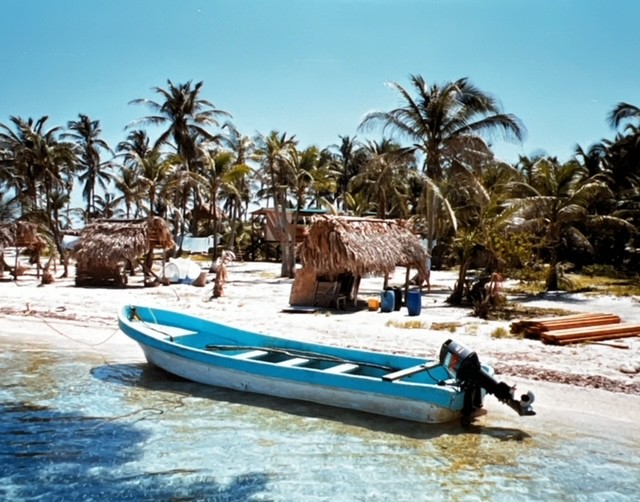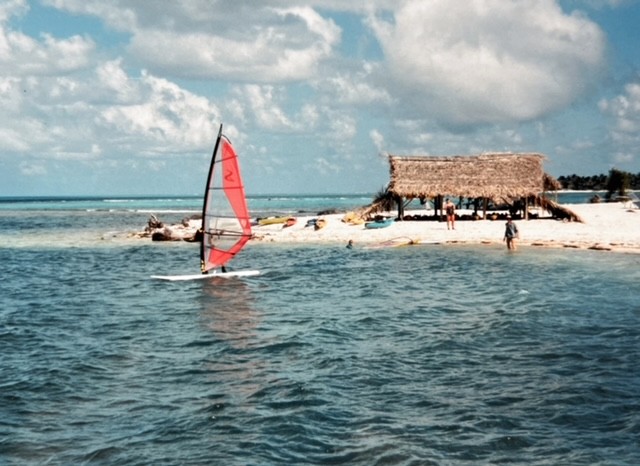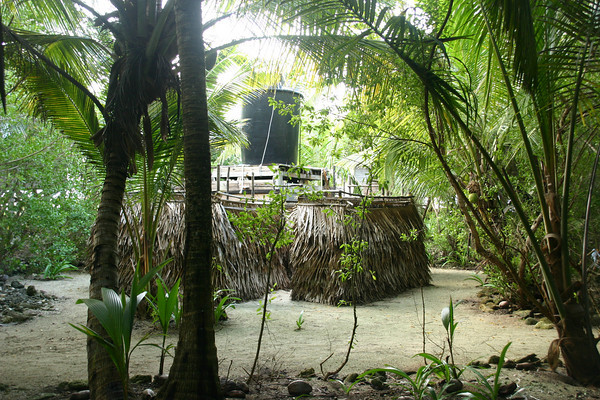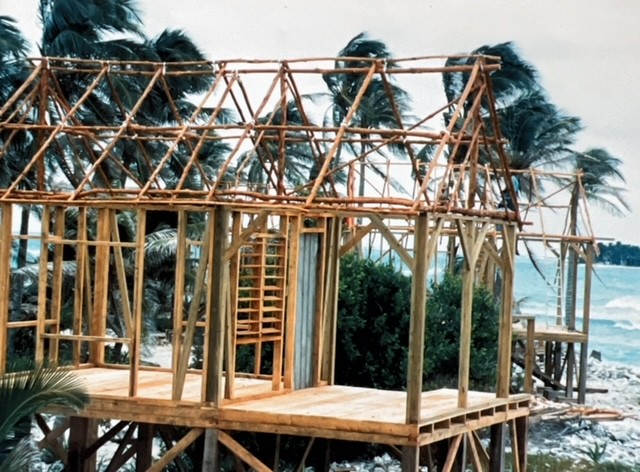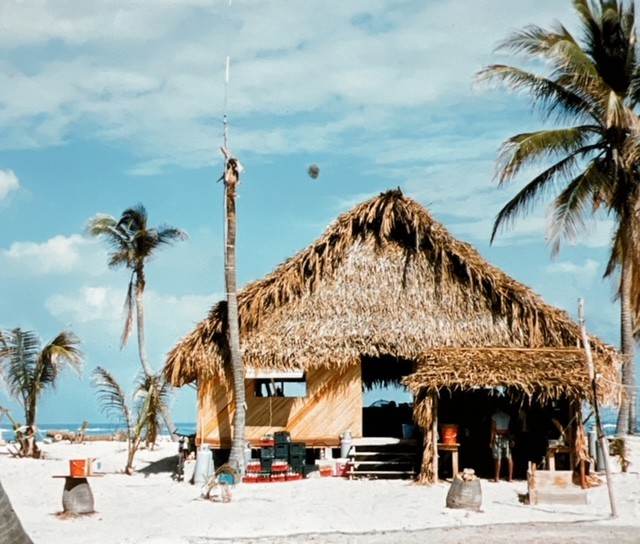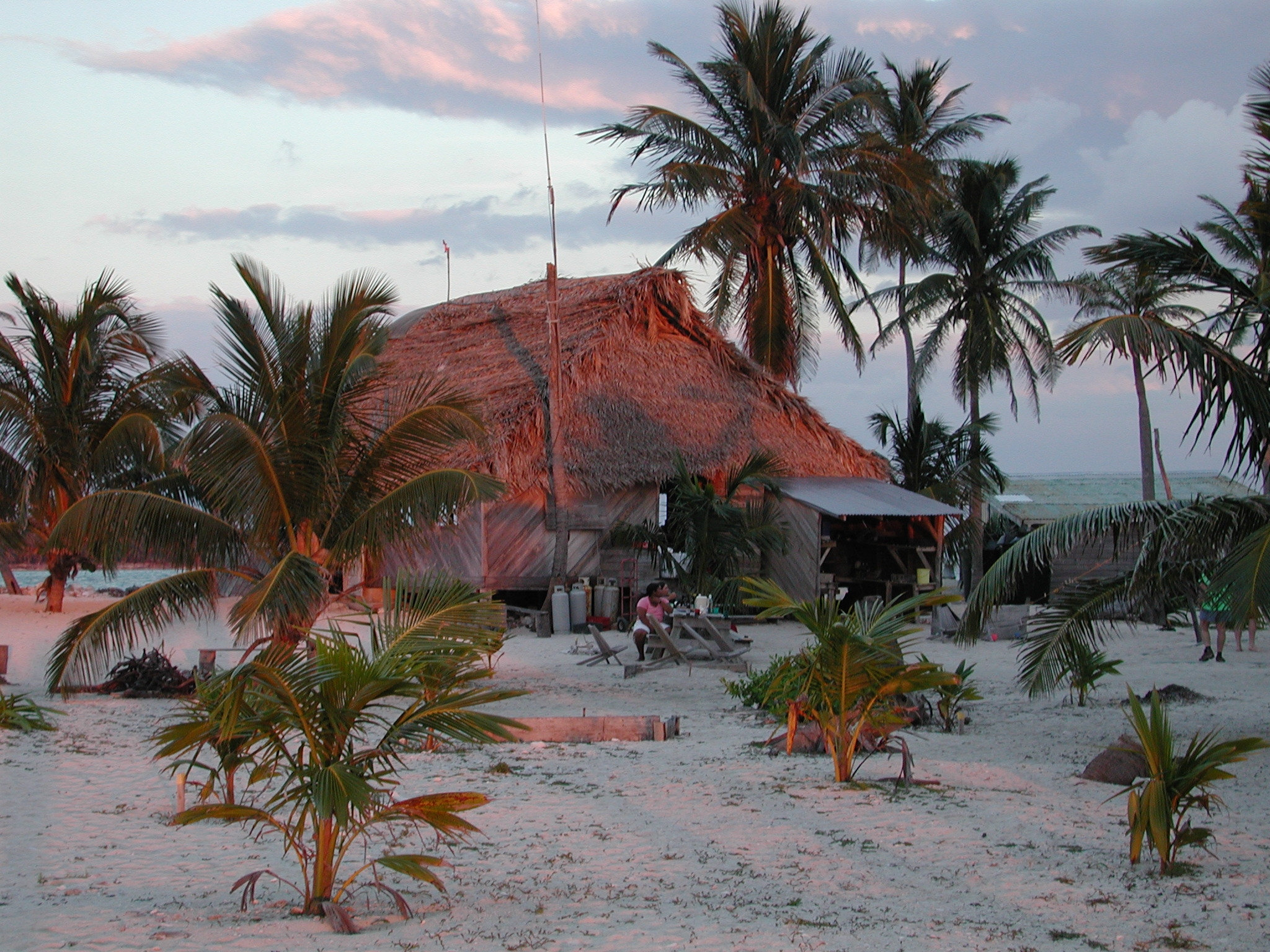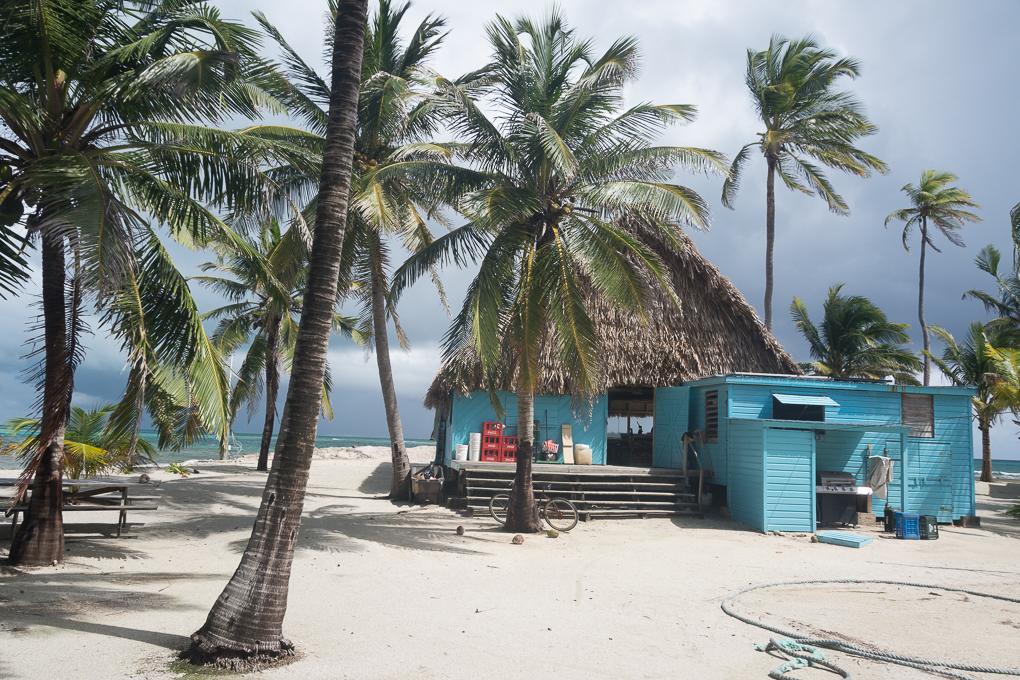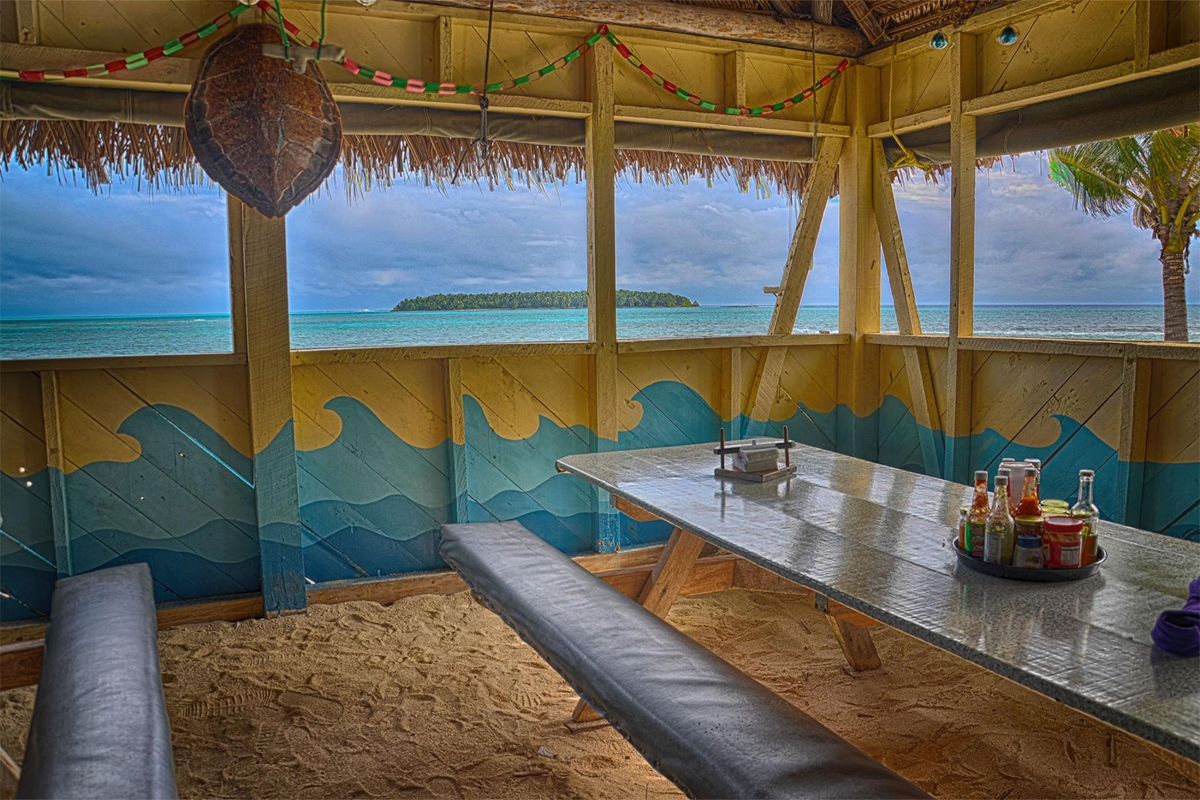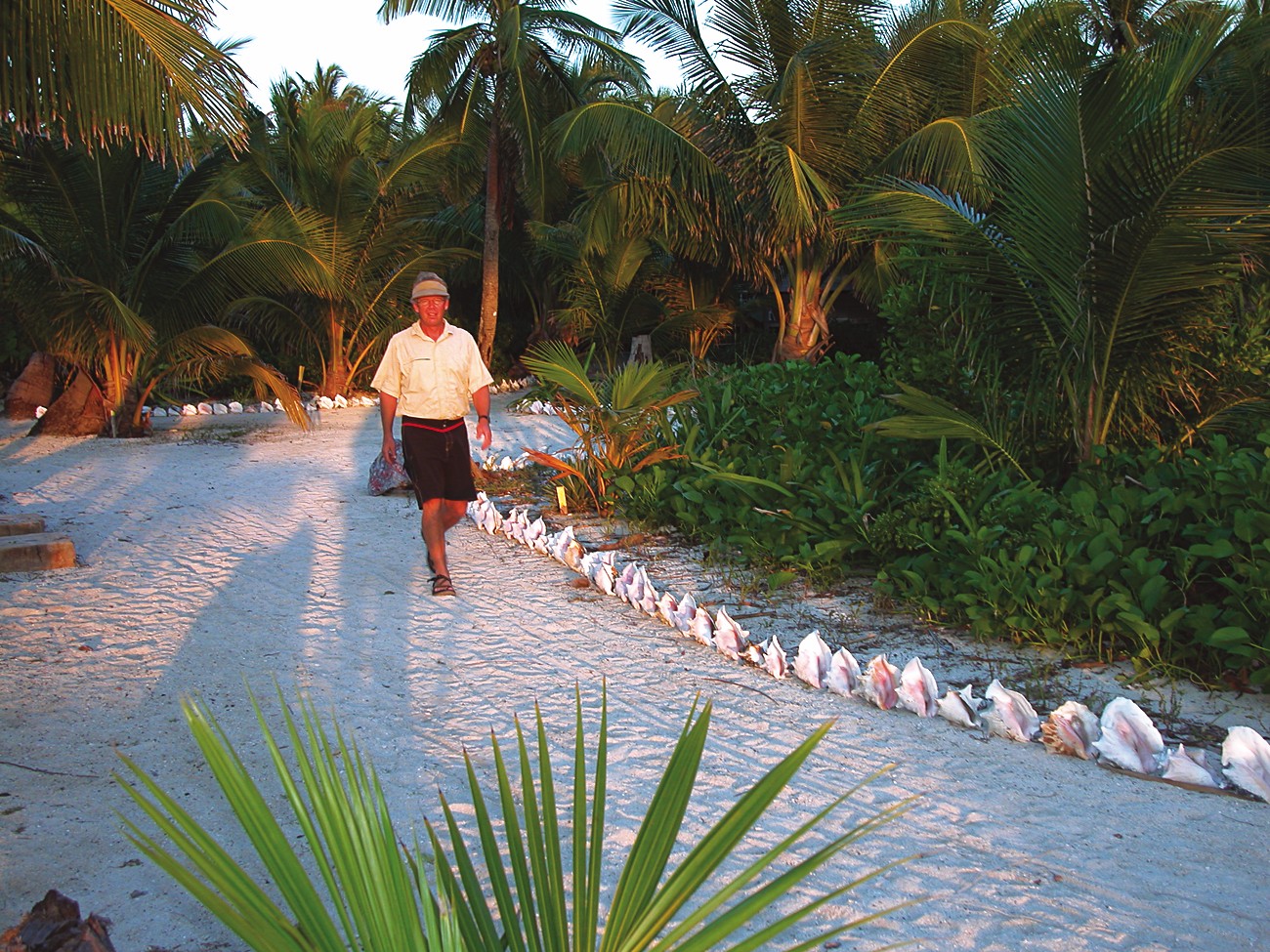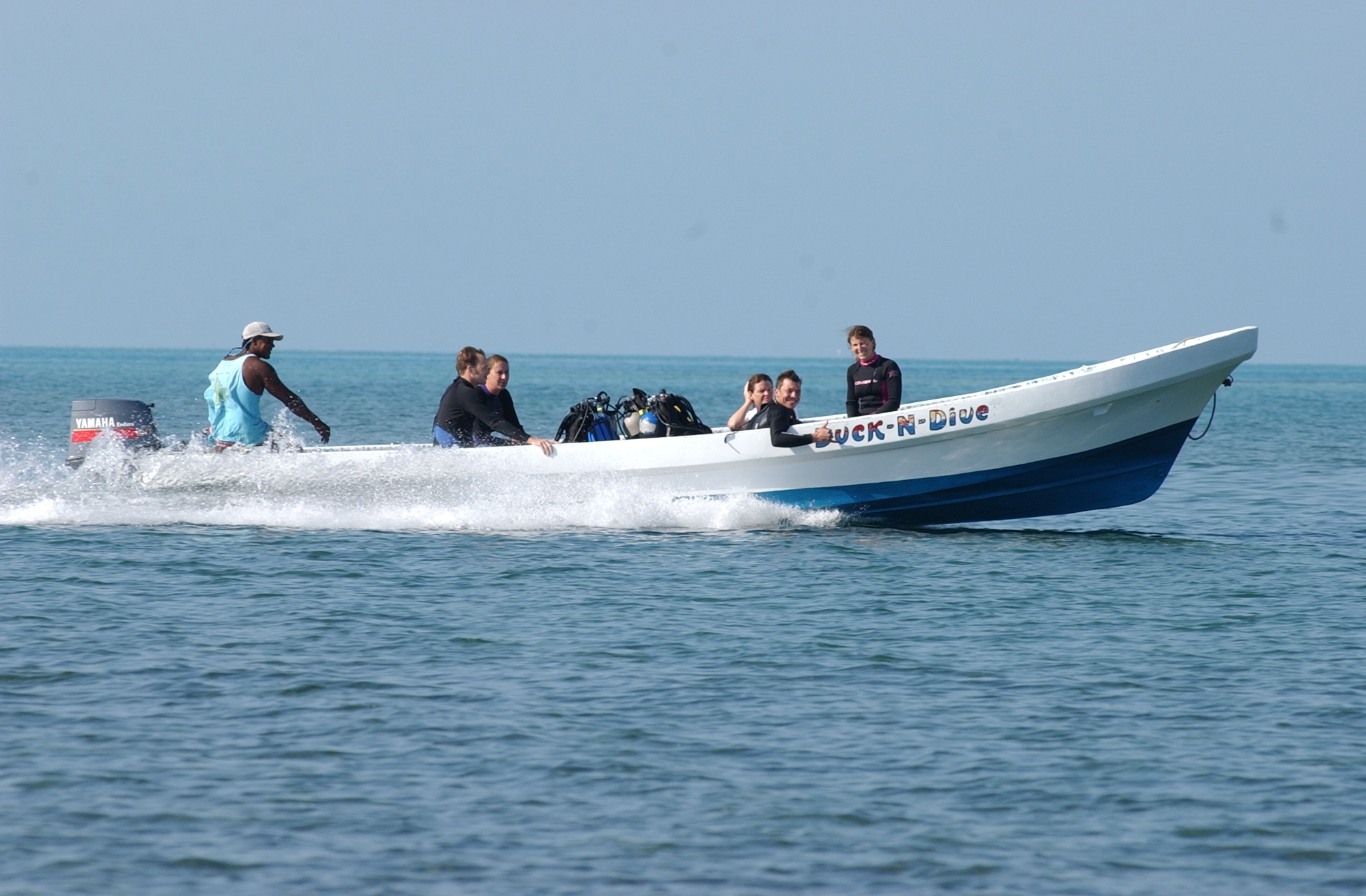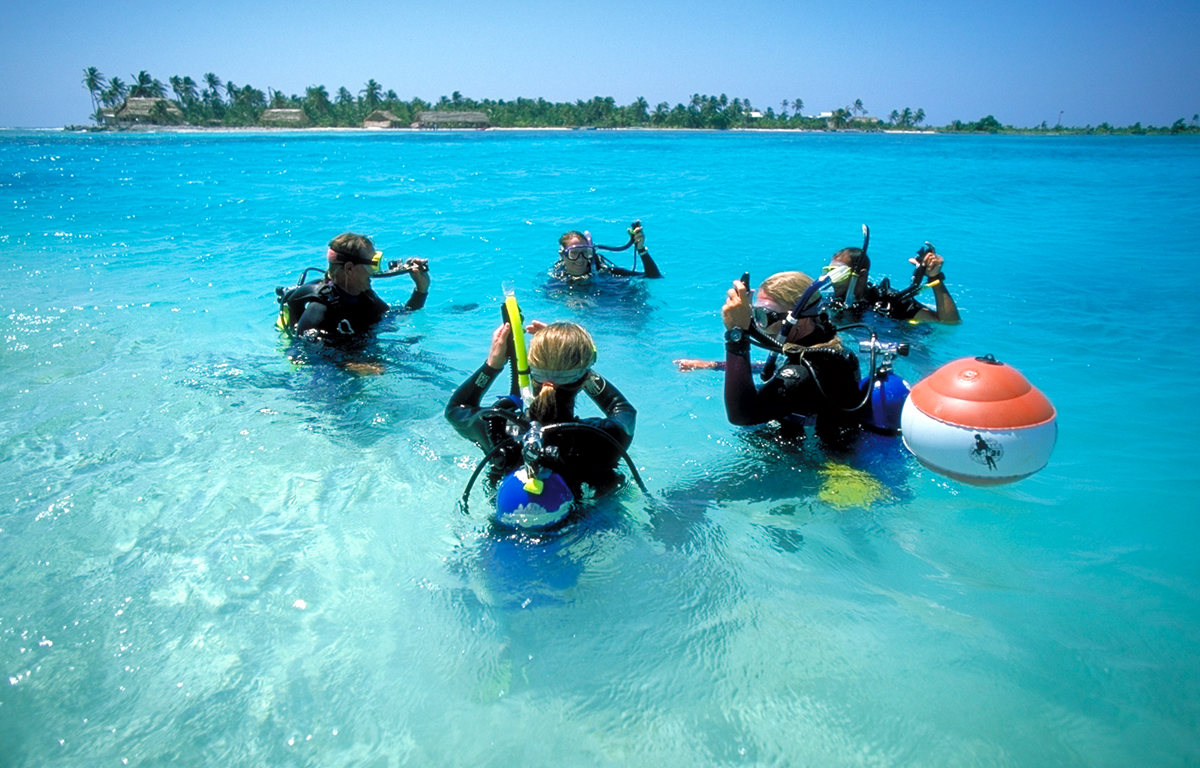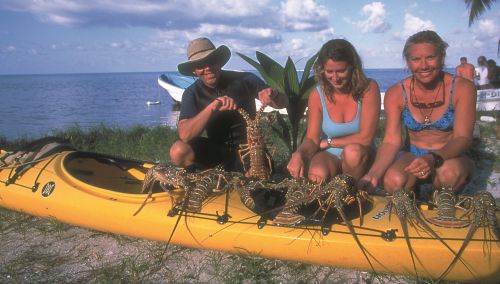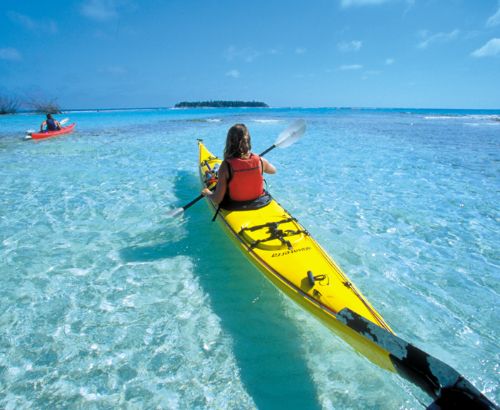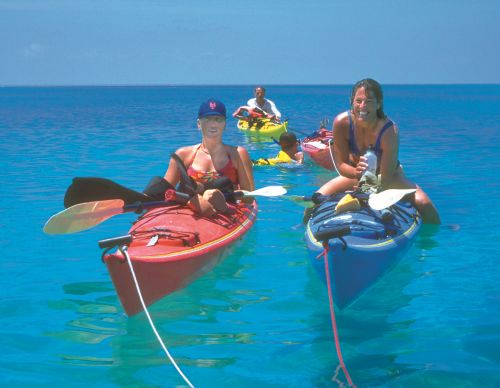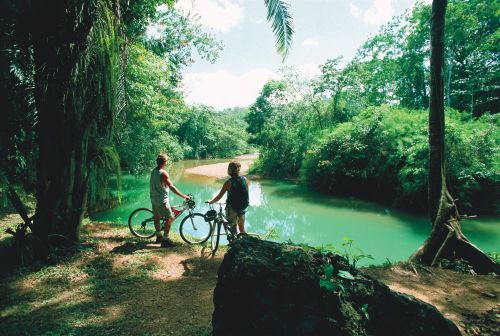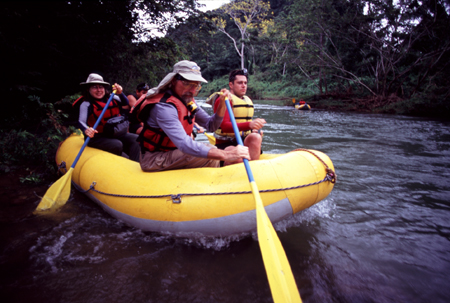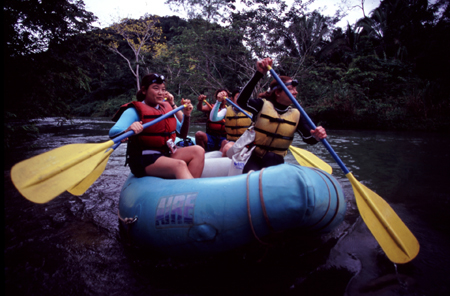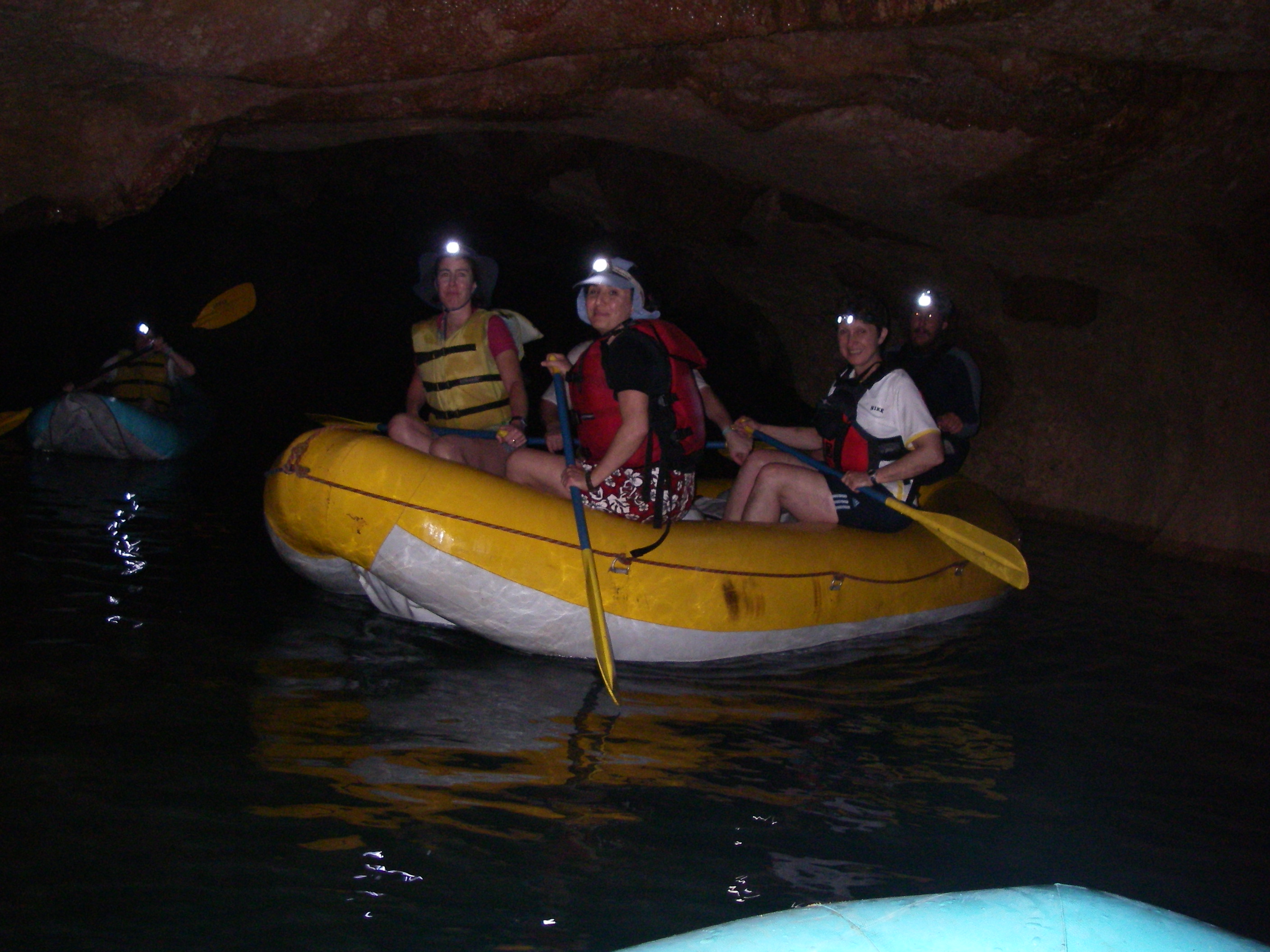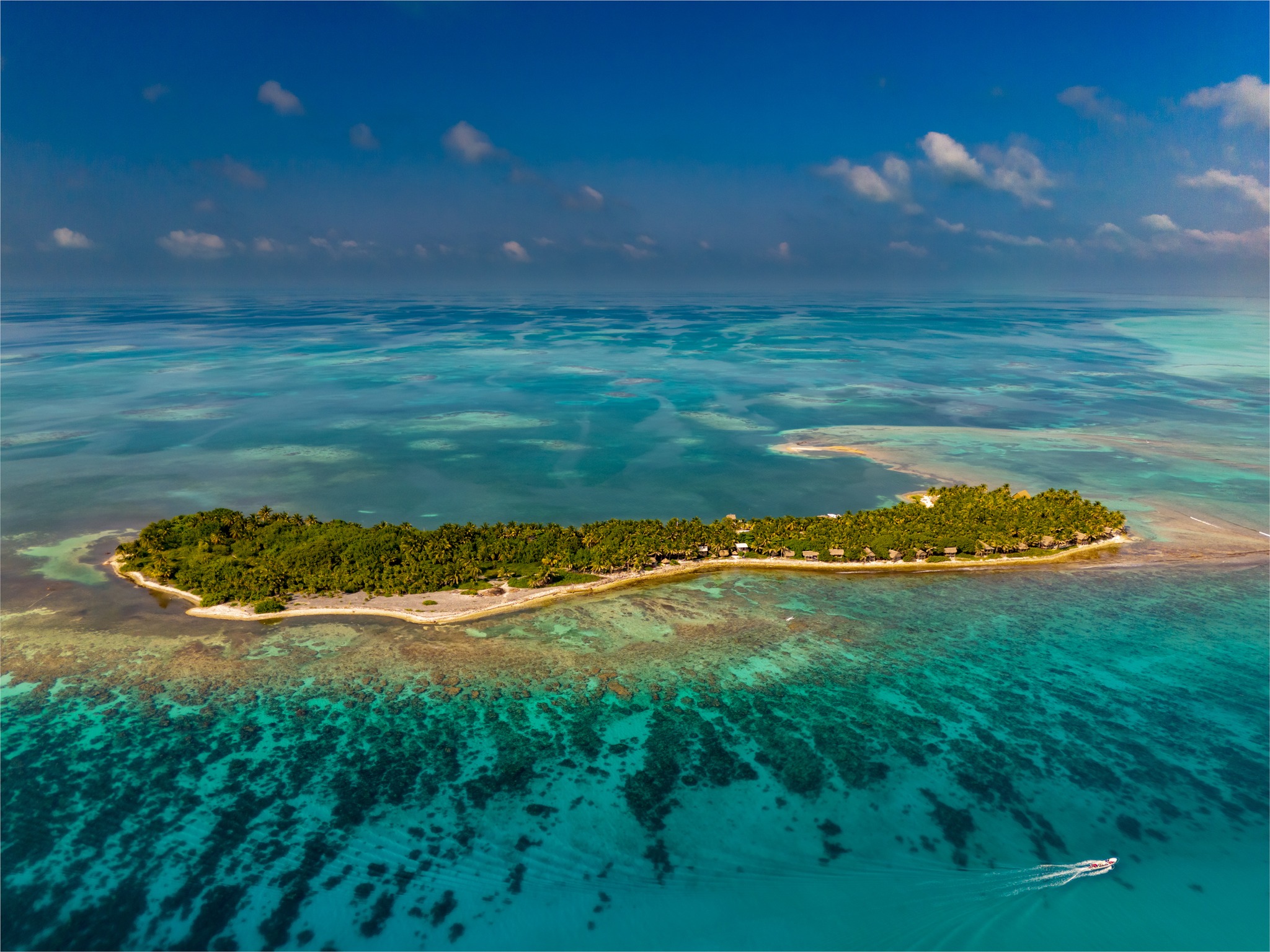
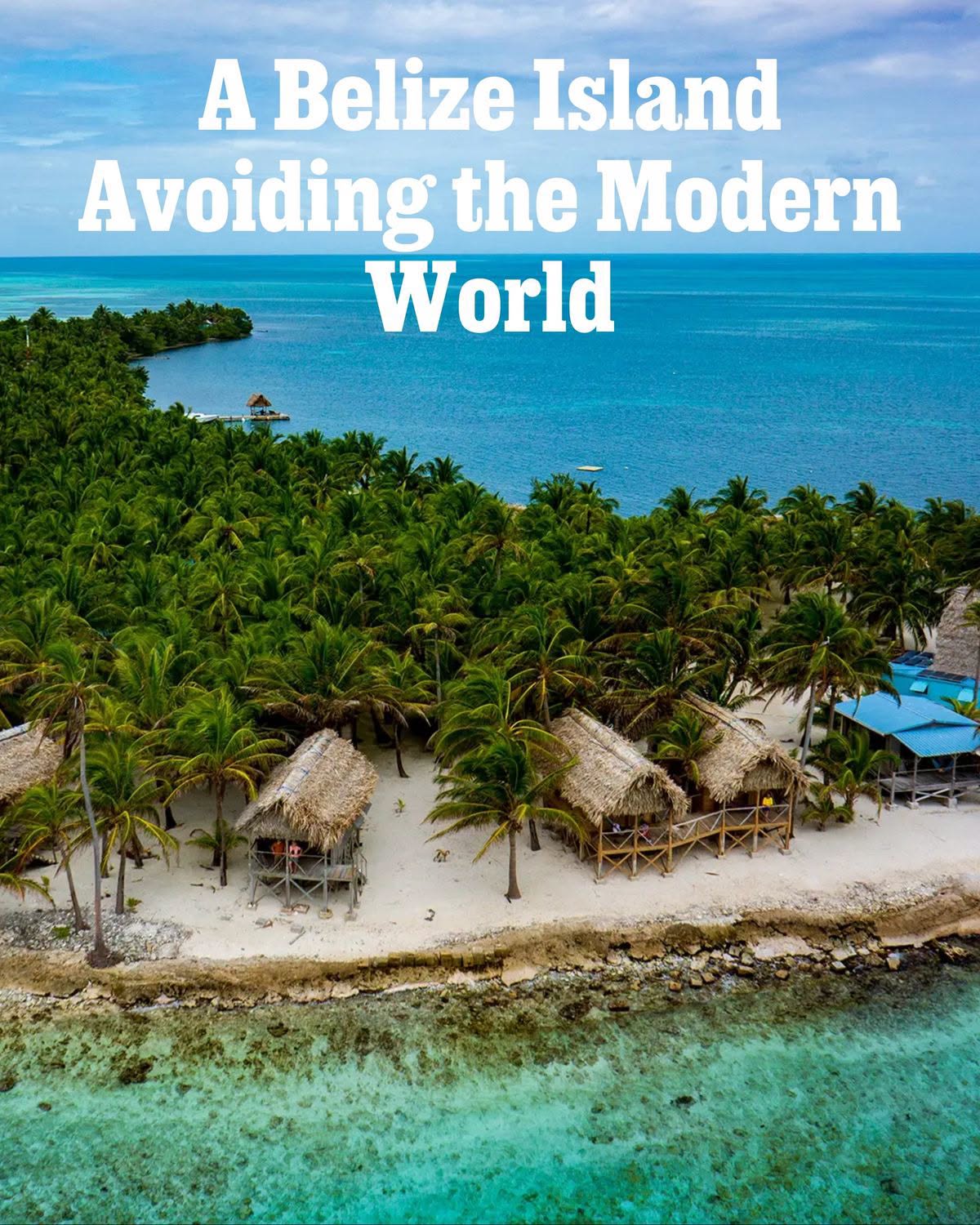

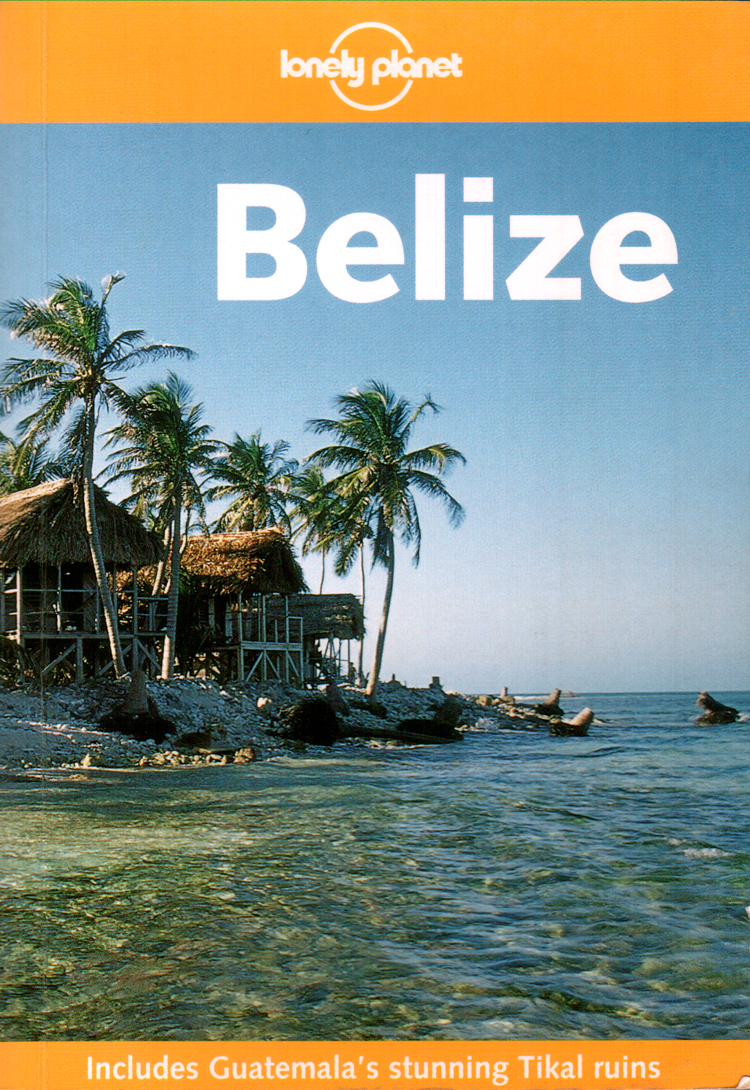
Long Caye is a small, narrow, privately owned island on the southeastern rim of Glover’s Reef Atoll, part of the Belize Barrier Reef Reserve System (UNESCO World Heritage Site). The atoll features hundreds of coral patch reefs. Long Caye has historically been covered in coconut palms, with beaches used by nesting sea turtles (loggerhead, green, hawksbill), and excellent access to the “Long Caye Wall.”
Glover’s Reef is named after the pirate brothers John and Rodger (or Roger) Glover. In the 1700s (commonly linked to the 1750s), they used the remote atoll as a base to raid Spanish merchant ships. Earlier maps used other names; by the late 18th century it was recorded as Glover’s Reef, and the 1830 Admiralty survey formally named the cays, including Long Cay.
Long Caye was originally a coconut farm. Like many Belizean cayes, it supported extensive coconut woodland (primarily Jamaican Tall palms). By 1961 it was documented as a coconut plantation with a local caretaker family. By 1971 an early American-owned tourist operation with chalets existed at the east end (later damaged by a hurricane). An American businessman Fred Dodd later acquired the island from a Belizean owner Ralph Jackson; in the early 1990s it still supported around 1,500 coconut trees.
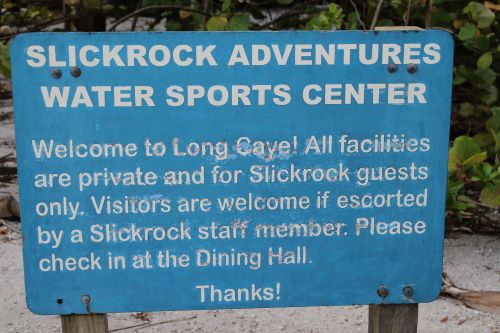
Slickrock Adventures was founded in the US in 1977 and has operated in Belize since 1986.

Rebranded to Slickrock Belize Adventures in 2019, following new ownership from November 2018.

Rebranded as Belize Adventures in August 2024.
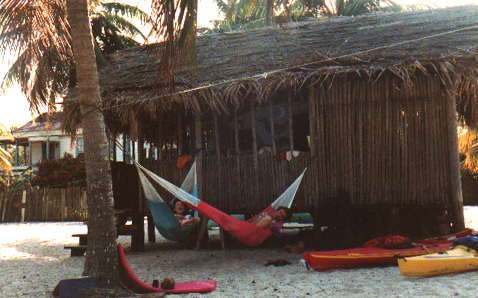
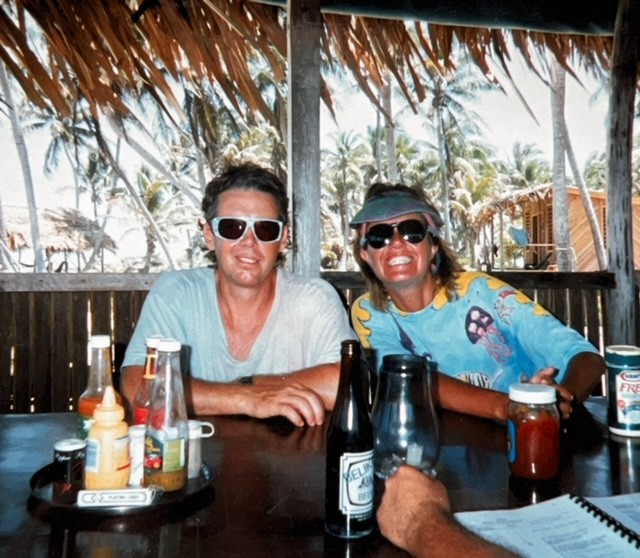
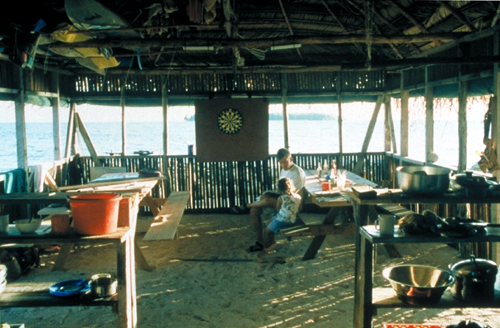
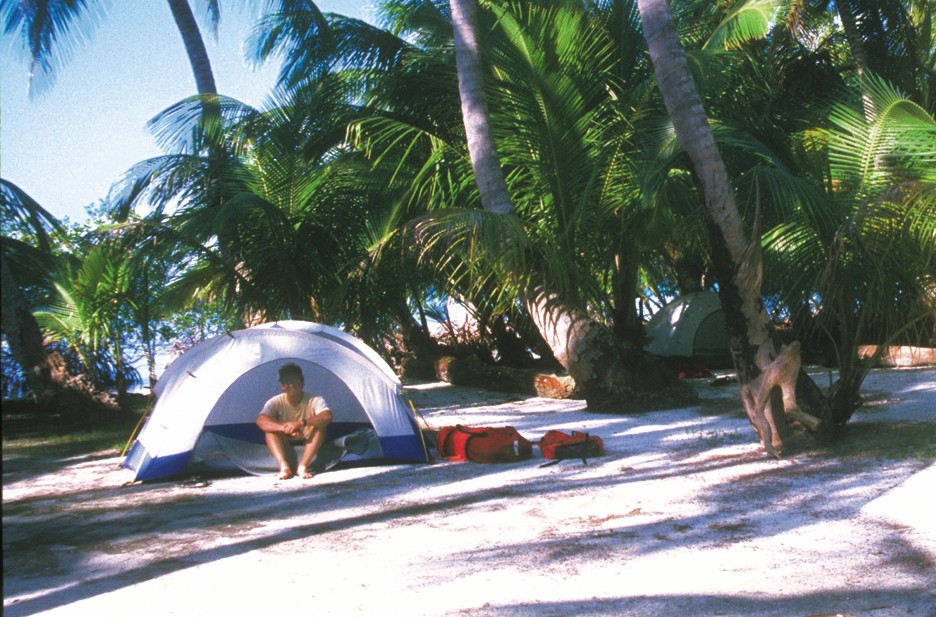
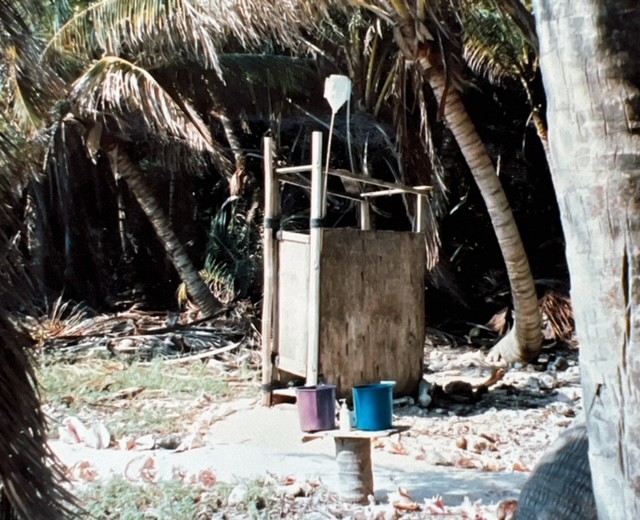
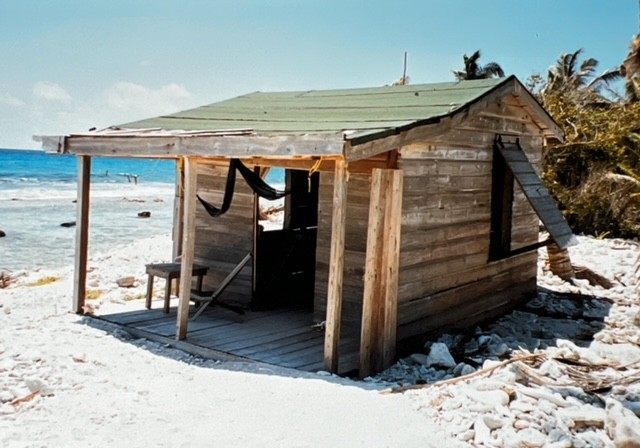
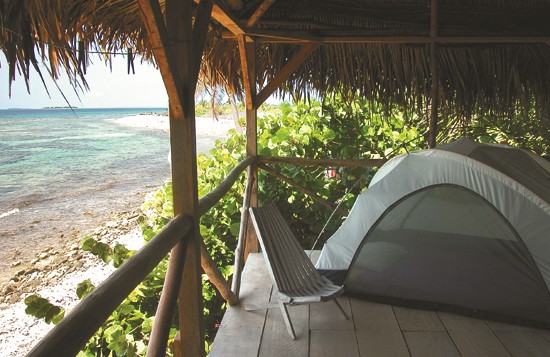
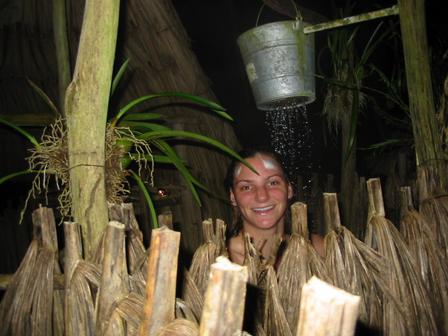
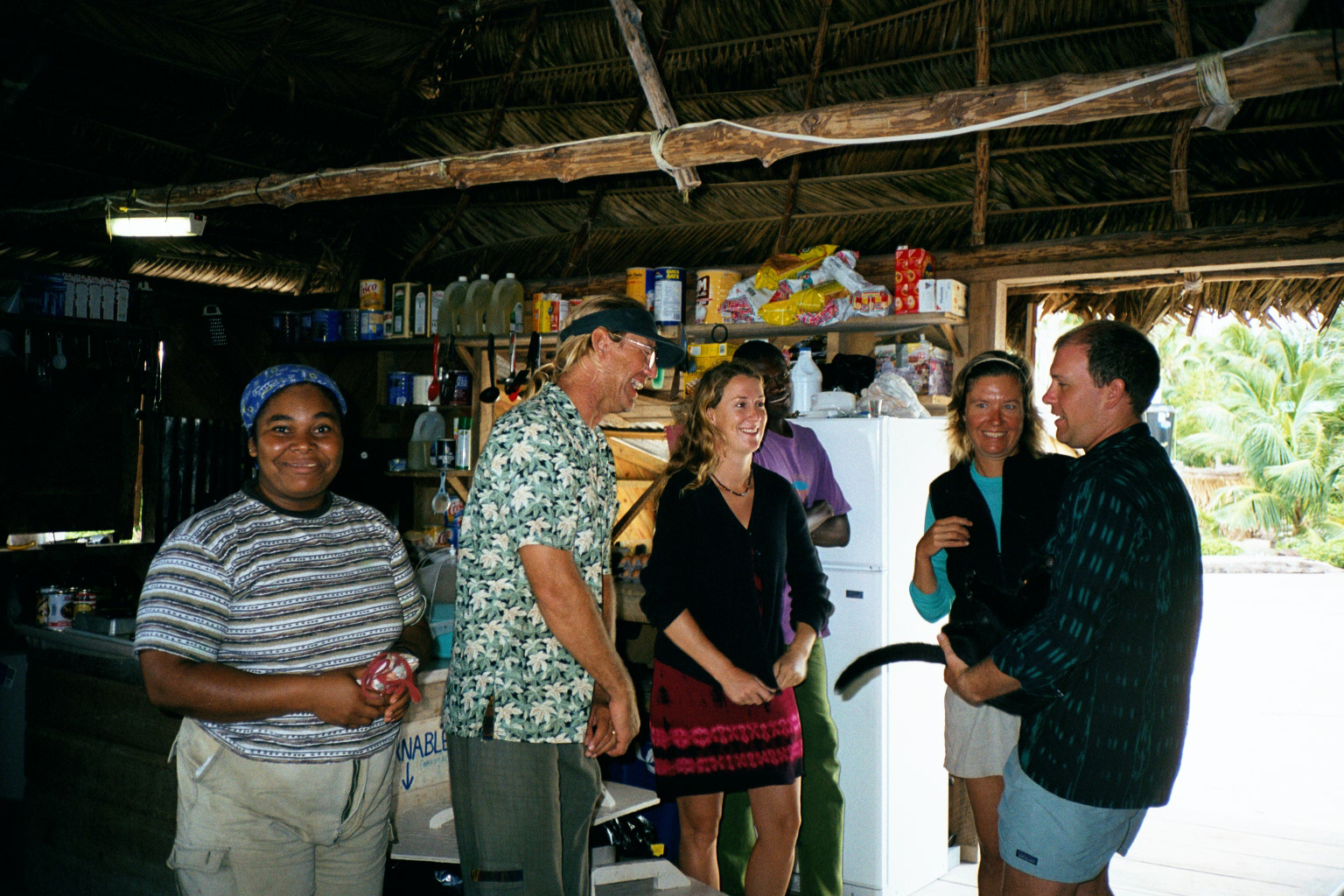
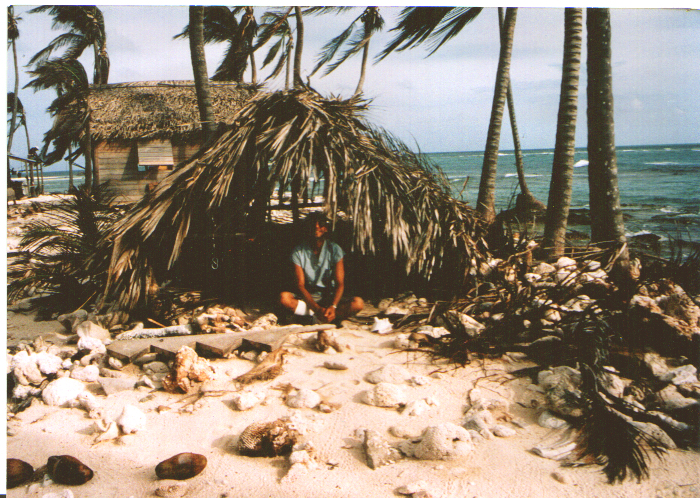
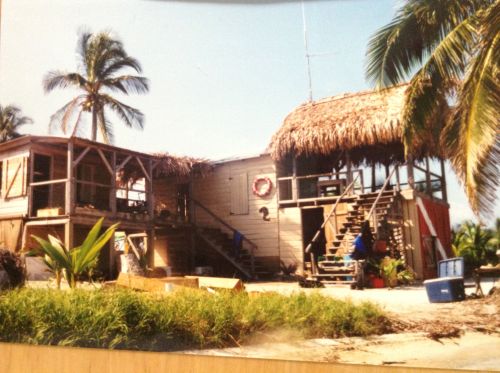
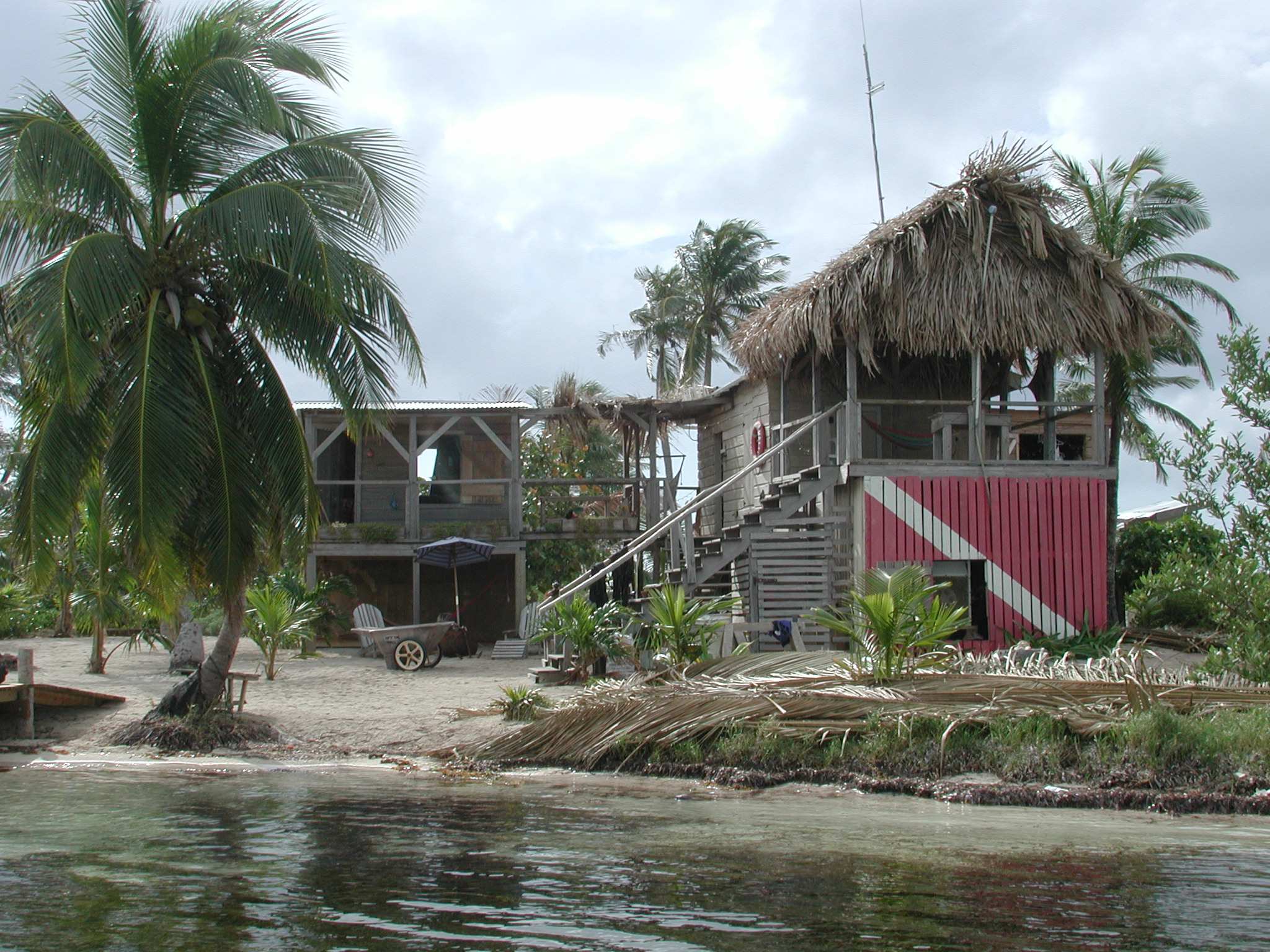
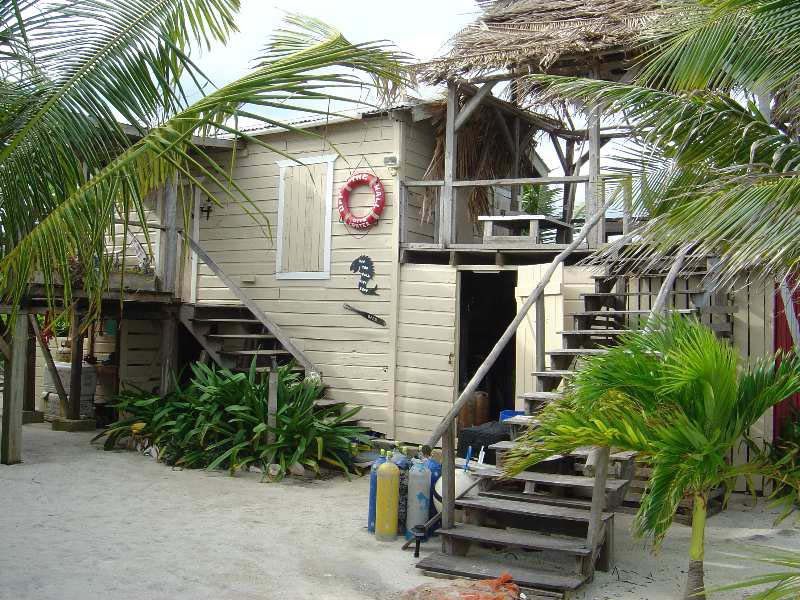
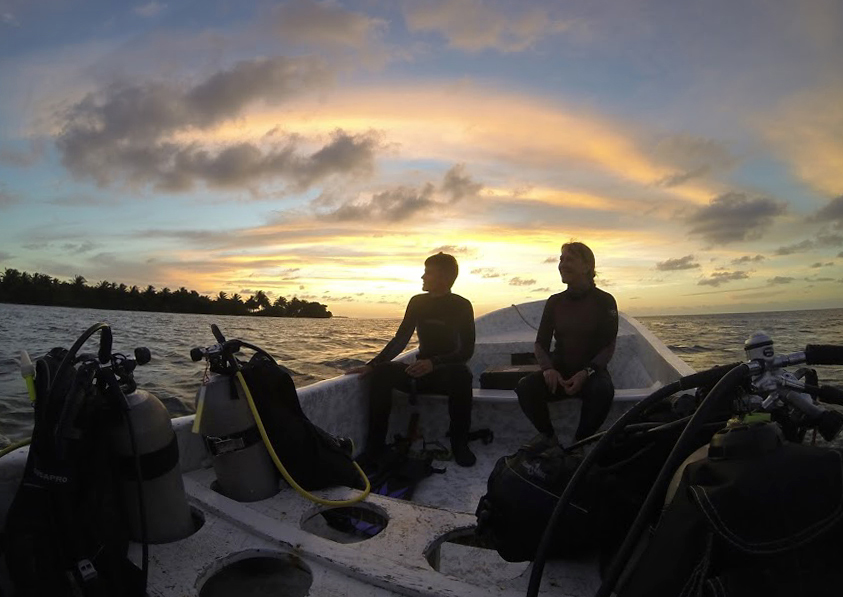
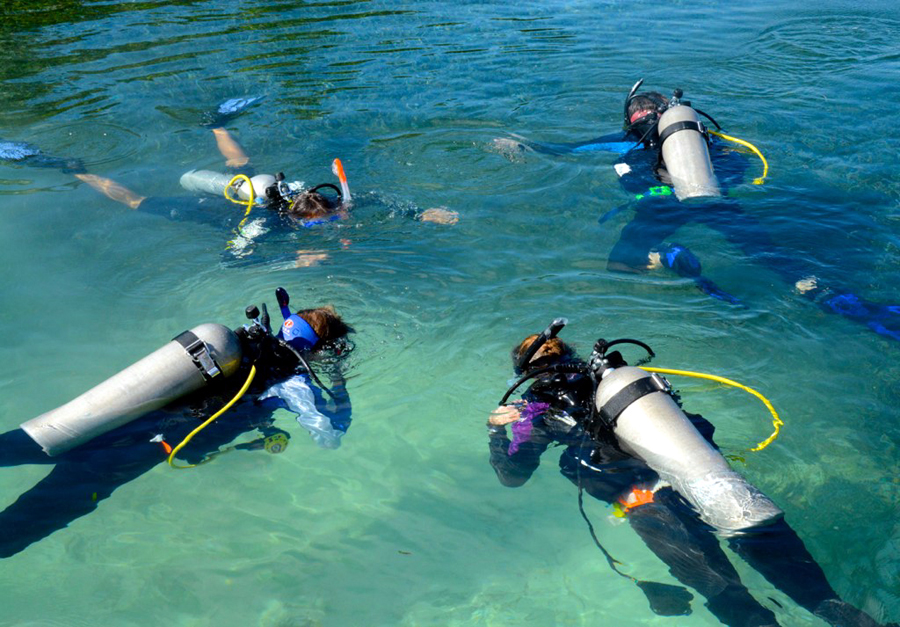
In 1998, Jim Schofield (a retired dentist from Tucson) met Kendra (a realtor from Portland) on Long Caye while he was serving as manager of Slickrock Adventures. They fell in love with each other and the island, began living simply (initially in a tent), and gradually built Off The Wall as a small eco-friendly PADI dive resort and center on the central portion of the caye. It specialised in diving (especially the nearby Long Caye Wall), and all-inclusive stays in oceanfront cabanas, using solar/wind power, composting toilets, and rainwater systems. The two operations (Slickrock on the northern end, Off The Wall more central) shared the island for decades.

In 2022, Peter Lawson partnered with Phil Dowsett at Slickrock. In 2025 Peter purchased Off The Wall from the retiring Jim and Kendra Schofield. The resort continued under new management (reopening for the November 2025 season) while remaining closely linked with Slickrock. The West End of Long Caye had previously been owned by property developers. It is now under the same overall ownership/management. This supports preservation of the island’s natural character for wildlife, including nesting turtles on the beaches (with active protective practices). The island remains off-grid and low-impact.
Long Caye continues as a remote adventure and dive destination, reflecting the progression from pirate refuge and coconut plantation to carefully managed ecotourism within a protected atoll.